


Bottom Line Up Front (BLUF): If you are shopping for a phone where top-tier graphics performance, long-term custom software support, and unmatched camera ISP processing matter most, Qualcomm Snapdragon chipsets hold the crown—particularly in high-end devices. However, if your budget is under ₹30,000 and you want maximum raw compute power, incredible battery efficiency, and stable daily thermals, MediaTek Dimensity chips frequently deliver superior value per rupee. Neither brand is universally 'better'; your choice depends entirely on your specific usage priorities and price point.
What Does a Smartphone Processor (SoC) Actually Do?
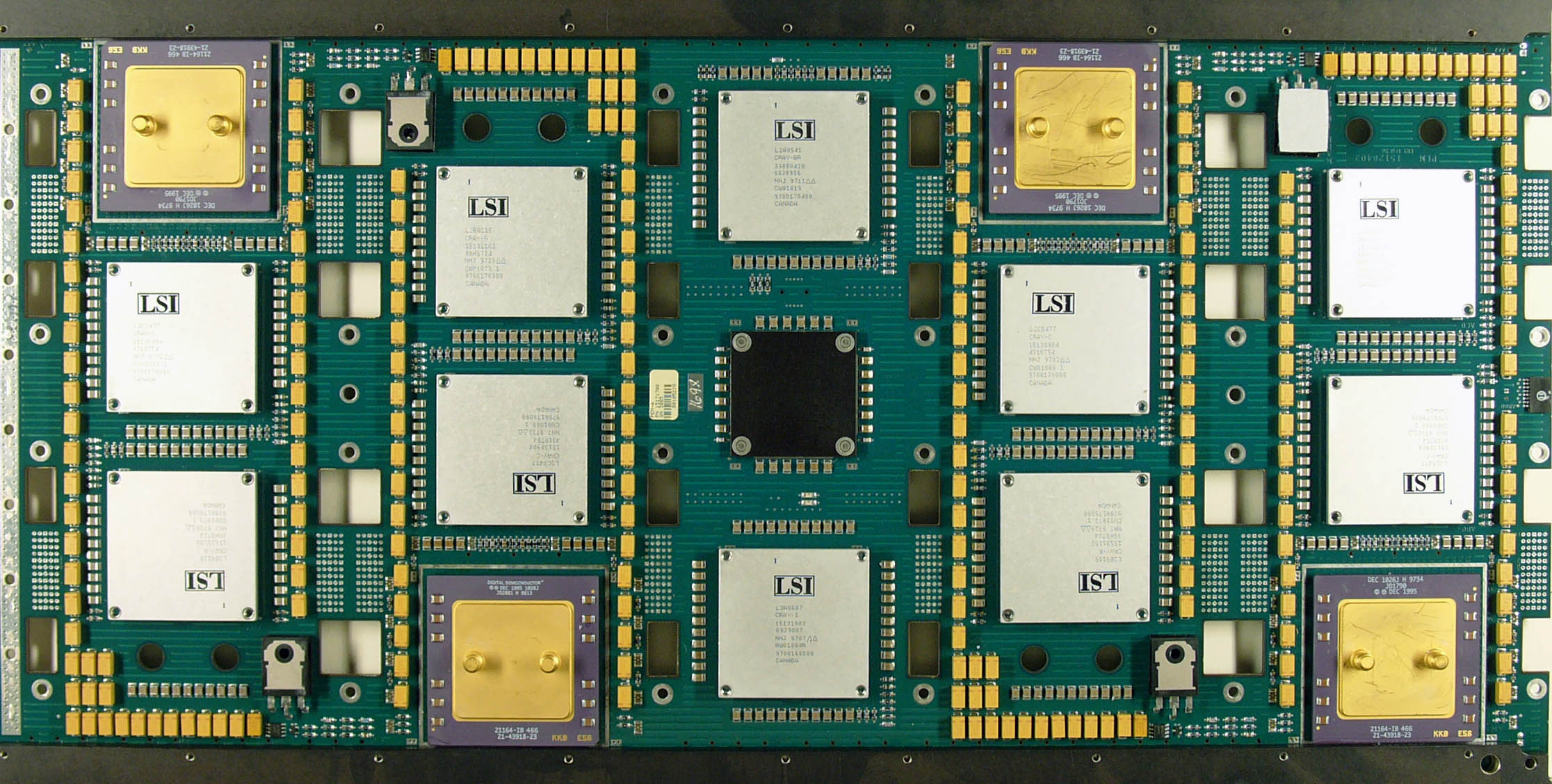
When buyers discuss a phone's processor, they are usually referring to a System-on-Chip (SoC). Unlike a traditional PC where the processor, graphics card, and network hardware sit on separate components, a mobile SoC combines almost every critical system onto a single piece of silicon smaller than a thumbnail. Understanding what sits inside this chip helps explain why two phones with identical megapixel counts or RAM figures perform completely differently in real life.
A modern smartphone SoC houses five essential sub-processors:
- CPU (Central Processing Unit): The main engine that handles general computing, opening apps, background OS operations, and system navigation. Most modern chips use an 'octa-core' layout containing performance cores for heavy tasks and efficiency cores for light background work.
- GPU (Graphics Processing Unit): Renders every visual frame on your screen, from high-refresh-rate UI animations to complex 3D environments in mobile games like BGMI, Call of Duty, and Genshin Impact.
- ISP (Image Signal Processor): The brain behind your camera. It translates raw color data from the camera sensor into finished photos, handling noise reduction, HDR composition, skin tone rendering, and multi-frame night mode calculations.
- NPU/APU (Neural Processing Unit): Dedicated silicon designed specifically for Artificial Intelligence tasks, such as offline translation, background removal in photos, real-time voice processing, and computational photography.
- Integrated 5G Modem: Controls your connection to cellular networks. It handles download/upload speeds, latency, signal reception in weak coverage areas, and 5G power consumption across Indian telecom operators like Jio and Airtel.
Qualcomm Snapdragon: Strengths, Architecture & Real-World Experience
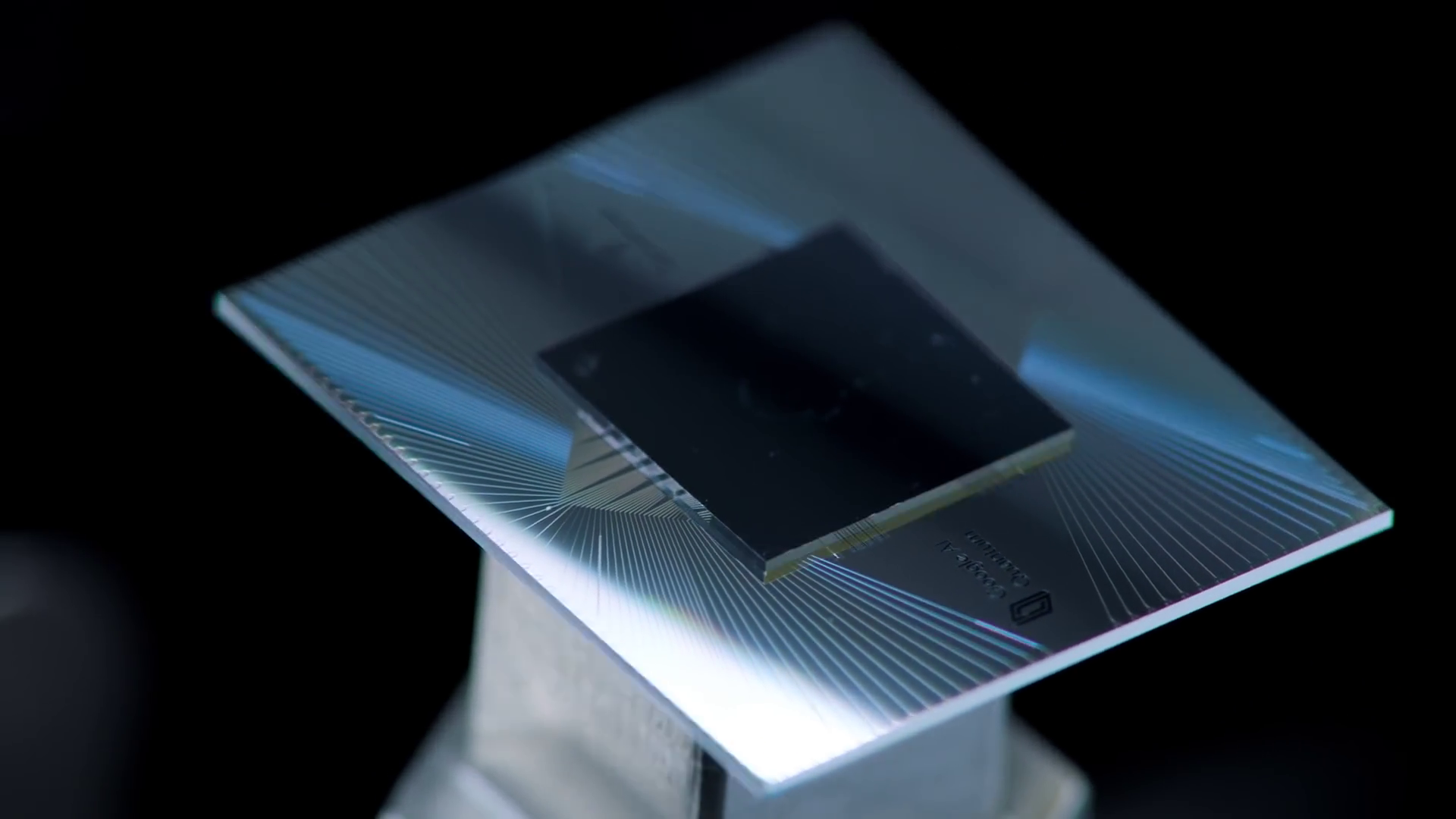
Qualcomm's Snapdragon lineup has long set the benchmark in Android silicon performance. Split across the flagship 8-series, upper mid-range 7-series, budget 6-series, and entry-level 4-series, Snapdragon chips built their reputation on three key pillars: class-leading GPU driver support, advanced Image Signal Processors, and robust developer optimization.
1. Adreno GPU Dominance and Gaming Stability
Snapdragon's proprietary Adreno GPUs excel at sustained graphical performance. While rival chips can burst to high peak frame rates in short benchmark runs, Snapdragon chips typically maintain higher sustained frame rates with lower frame drops during extended 60fps or 90fps gaming sessions. Game developers optimize major Android titles against Snapdragon hardware first, leading to faster updates and wider support for high-refresh-rate modes.
2. Superior Camera ISP and GCam Portability
The Qualcomm Spectra ISP is widely regarded by imaging enthusiasts for its computational power. It allows cameras to capture multiple exposure frames simultaneously without shutter lag. For photography lovers in India, Snapdragon devices carry a distinct advantage: widespread compatibility with modified Google Camera (GCam) apps. Because Qualcomm publishes comprehensive developer documentation, modding communities build custom GCam ports easily for Snapdragon phones, giving affordable mid-range devices flagship-grade photo processing.
3. Custom ROMs and Long-Term Community Support
If you plan to use your smartphone for four or five years, Snapdragon offers peace of mind. Qualcomm releases open-source device code quickly, allowing third-party developers to build custom Android ROMs (like LineageOS) long after the phone manufacturer stops sending official software updates. This keeps older hardware responsive and secure for years.
MediaTek Dimensity: The Efficiency & Value Champion
For years, MediaTek was viewed as an entry-level processor maker associated with overheating and high battery drain. That narrative changed completely with the introduction of the MediaTek Dimensity series. Today, MediaTek dominates the budget, mid-range, and value-flagship market in India by offering cutting-ahead manufacturing technology at highly competitive wholesale costs.
1. Advanced Fabrication and Thermal Efficiency
MediaTek partners closely with TSMC (Taiwan Semiconductor Manufacturing Company) to build its Dimensity chips on cutting-edge manufacturing process nodes (4nm and 3nm class). By utilizing smaller, highly efficient transistors, Dimensity chips generate less heat under everyday tasks like social media browsing, video streaming, and GPS navigation. This translates directly into cooler device temperatures during Indian summer conditions and extended screen-on time.
2. Exceptional Multi-Core Value in the Indian Market
In the sub-₹20,000 and sub-₹30,000 price brackets, MediaTek consistently offers processors with higher raw CPU compute power than similarly priced Snapdragon alternatives. Brands like Xiaomi, Realme, iQOO, Vivo, and Motorola frequently choose Dimensity chips to pack flagship-grade CPU performance into mid-range phones without driving retail prices out of reach for budget-conscious Indian buyers.
3. MediaTek HyperEngine Gaming Technology
Modern Dimensity processors use HyperEngine resource management algorithms to dynamic balance CPU and GPU workloads. Rather than allowing the chip to run hot and crash performance dramatically, HyperEngine manages voltage, frame pacing, and Wi-Fi/5G network latency simultaneously to keep gameplay smooth during multi-player online matches.
Snapdragon vs MediaTek: Head-to-Head Comparison

To see how these two chip designers stack up across crucial everyday factors, look at the feature comparison below:
| Feature Category | Qualcomm Snapdragon | MediaTek Dimensity |
|---|---|---|
| Peak Gaming Performance | Industry-leading sustained GPU stability and frame rates. | High peak GPU speeds; excellent frame stability in mid-range. |
| Battery & Thermal Efficiency | Excellent on 8-series; variable on budget 4/6 series chips. | Outstanding efficiency across 6000, 7000, 8000 & 9000 lines. |
| Camera Processing (ISP) | Superior color accuracy, fast multi-frame HDR, full GCam support. | Strong processing (Imagiq ISP); GCam compatibility is limited. |
| 5G Modem Performance | Snapdragon X-series modems; top-tier carrier aggregation. | Highly reliable sub-6GHz 5G support; very low network battery drain. |
| Value for Money (Price/Perf) | Moderate; commands a premium in budget and mid-range devices. | Exceptional; delivers maximum CPU horsepower per rupee spent. |
| Custom ROM / Modding Support | Extensive third-party developer support and kernel sources. | Limited community development due to proprietary code releases. |
How to Choose the Right Processor: A Step-by-Step Decision Framework
- Identify Your Core Usage Pattern: Determine what you rely on your phone for most. If heavy gaming (BGMI at max settings) and custom camera tweaks are your priorities, narrow your search to Snapdragon devices. If daily multi-tasking, high screen-on time, media consumption, and general smoothness matter more, prioritize MediaTek Dimensity.
- Check the Semiconductor Process Node (Nanometers): Look up the manufacturing process node of the chip inside the phone. Chips fabricated on 4nm or 3nm process nodes run cooler and use significantly less power than older 6nm or 7nm chips, regardless of whether they come from Qualcomm or MediaTek.
- Match the Chip Tier to Your Budget: Align your financial expectations with processor tiers:
- Entry Level (Under ₹12,000): Snapdragon 4-series or MediaTek Dimensity 6000-series.
- Mid-Range (₹12,000 to ₹25,000): Snapdragon 6/7-series or MediaTek Dimensity 7000/8000-series.
- Value Flagship (₹25,000 to ₹45,000): Snapdragon 7+ series / previous-gen 8-series or MediaTek Dimensity 8300/9200-series.
- Ultra-Flagship (Above ₹45,000): Latest Snapdragon 8-series or MediaTek Dimensity 9000-series.
- Verify Indian 5G Band Support & Carrier Aggregation: Ensure the processor's modem supports key Indian 5G sub-6GHz bands (specifically N28, N77, and N78). Check whether the chipset supports 4G/5G Carrier Aggregation, which combines multiple network bands to boost indoor data speeds on Airtel and Jio.
- Evaluate Long-Term Updates vs. Modding Intentions: If you keep your phone beyond official manufacturer update cycles, buy a Snapdragon device so you can install custom software later. If you plan to trade in your phone every two to three years anyway, MediaTek’s limited custom ROM support will not affect you.
Common Processor Buying Mistakes Indian Consumers Make
- Relying Solely on Synthetic Benchmark Scores: Scores from AnTuTu or Geekbench only show maximum peak capabilities in a climate-controlled test environment. They do not account for how a phone throttles performance after 20 minutes of real-world use in warm weather. Always look for sustained performance tests over raw benchmark numbers.
- Assuming More CPU Cores Equal Greater Speed: Almost all modern mobile processors have 8 CPU cores. However, core architecture (e.g., modern Cortex-X or Cortex-A7 series performance cores versus older efficiency cores) and clock speeds matter vastly more than the total core count.
- Ignoring the Process Node Size: Buying a phone with an older-generation chip manufactured on a 7nm or 8nm process just because it has a high clock speed usually results in excessive heating and rapid battery drain. Smaller nanometer numbers mean better efficiency.
- Overlooking the Camera ISP When Buying for Photography: A great 100MP or 200MP camera sensor paired with a weak budget ISP will produce grainy, over-sharpened images with dynamic range issues. Always evaluate the ISP capabilities alongside the camera hardware specs.
Troubleshooting Performance, Heating & Thermal Throttling
If your current smartphone suffers from sudden frame drops during games or gets uncomfortable to hold during normal tasks, try these technical diagnostic steps:
- Check for Background CPU Hogs: Navigate to Settings > Battery > Battery Usage to identify apps running continuous background processes. Apps like social media feeds or background synchronizers can keep CPU performance cores awake unnecessarily.
- Disable Auto-High Refresh Rate during Heavy Gaming: Locking your screen to 60Hz or 90Hz directly inside game settings reduces GPU thermal output significantly, preventing the SoC from hitting internal temperature limits that trigger aggressive frame-rate throttling.
- Manage Indian 5G Network Drain: In areas with spotty 5G coverage, integrated modems consume extra power searching for signals, heating the internal processor area. Switching network settings to 'Prefer 4G/LTE' when sitting in weak coverage zones keeps thermals cool and saves battery.
- Remove Thick Cases During Fast Charging: Charging a battery generates heat. When trapped inside a dense rubber case, that thermal energy transfers straight back into the adjacent processor silicon, forcing the system to throttle charging speeds and background tasks.
Final Verdict: Which Chipset Should You Buy?
The debate between Snapdragon and MediaTek is no longer a contest between 'good' and 'bad' chips. MediaTek has closed the performance gap entirely, offering incredible efficiency and core power that makes mid-range devices feel snappy and responsive. Qualcomm continues to dominate absolute graphics processing, gaming optimization, camera signal processing, and custom developer ecosystems.
When selecting your next phone, weigh your usage profile carefully against processor architectures rather than blindly trusting brand labels. Once you have picked the right device for your workload, check discount coupons, bank cashbacks, and verified store deals on AloneDeals to secure the best purchase price across major Indian retailer sites.
Image source: Hannes Grobe & Chresten Wübber, Alfred Wegener Institute for Polar and Marine Research, Bremerhaven, Germany (BY-SA)